
Top Democrat Punished For Extreme Comments
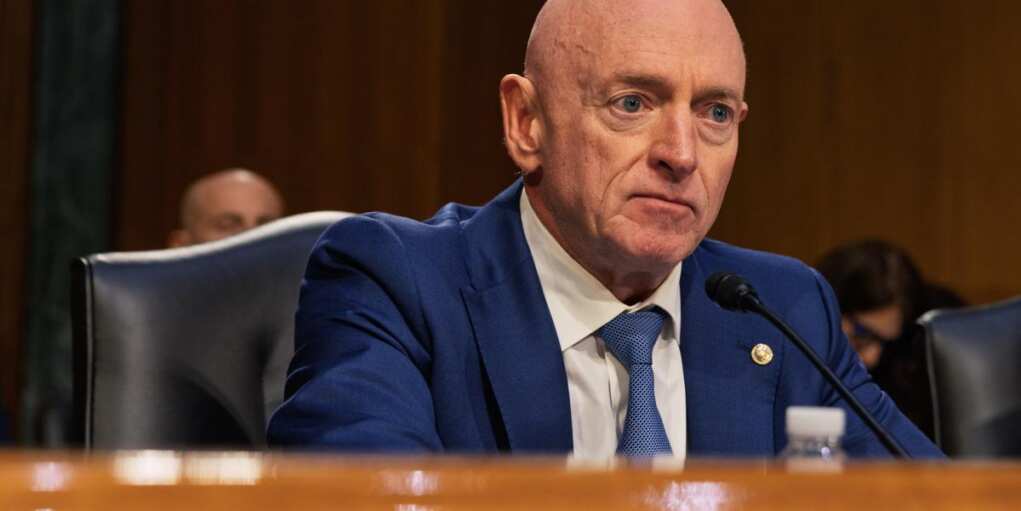
Senator Mark Kelly is learning that military retirement benefits come with military obligations.
Secretary of War Pete Hegseth announced the Department of War is cutting Kelly’s retirement pay and issuing a formal letter of censure over his participation in a video urging servicemembers to disobey “illegal orders” from President Trump.
Kelly’s response? He’s outraged that anyone would hold him accountable.
But Hegseth isn’t backing down: “Captain Kelly’s status as a sitting United States Senator does not exempt him from accountability.”
39 Combat Missions Don’t Exempt You From the UCMJ
Kelly immediately invoked his service record in his defense.
“Over twenty-five years in the U.S. Navy, thirty-nine combat missions, and four missions to space, I risked my life for this country and to defend our Constitution — including the First Amendment rights of every American to speak out.”
Impressive resume. Genuinely. Kelly’s service is real and honorable.
But here’s what Kelly either forgot or hoped everyone else would forget: retired officers receiving military pensions remain subject to the Uniform Code of Military Justice. That’s not Pete Hegseth’s rule. That’s the law.
You don’t get to collect a military pension while publicly encouraging servicemembers to disobey orders. The same code that governed Kelly’s conduct during his 25 years of service governs his conduct now.
The Video That Started It All
Six weeks ago, Kelly and five other members of Congress released a video explicitly calling on military personnel to refuse “illegal orders” from President Trump.
The timing was deliberate. The framing was deliberate. The message was deliberate: servicemembers should view the Commander-in-Chief as an illegitimate authority whose orders can be selectively ignored.
Hegseth’s assessment: “reckless and seditious… clearly intended to undermine good order and military discipline.”
That’s not political rhetoric. That’s a legal characterization under Articles 133 and 134 of the UCMJ, which prohibit conduct unbecoming an officer and conduct prejudicial to good order and discipline.
Kelly isn’t being punished for criticizing Trump. He’s being punished for telling servicemembers to disobey their chain of command.
“Captain (for now) Kelly”
The Department of War’s letter of censure included a pointed detail: it referred to Kelly as “Captain (for now).”
That’s not just shade. It’s a signal that further action is possible. Retired officers can be demoted, losing rank and the pension benefits that come with it. In extreme cases, they can face court-martial.
Hegseth made clear the current actions are based on Kelly’s public statements from June through December 2025 “in which he characterized lawful military operations as illegal and counseled members of the Armed Forces to refuse lawful orders.”
If Kelly continues down this path, the consequences escalate.
“There Is Nothing More Un-American Than That”
Kelly’s counterattack framed Hegseth’s actions as an assault on free speech.
“Pete Hegseth wants to send the message to every single retired servicemember that if they say something he or Donald Trump doesn’t like, they will come after them the same way. It’s outrageous and it is wrong. There is nothing more un-American than that.”
Nice try. But this isn’t about saying something Trump doesn’t like. Plenty of retired military officers criticize Trump publicly. They don’t face UCMJ action because they’re not telling active duty personnel to disobey orders.
Kelly crossed a specific line. He used his platform — and his military credibility — to encourage insubordination. That’s categorically different from political criticism.
The First Amendment doesn’t give retired officers unlimited license to undermine military discipline while collecting military pensions.
Hegseth Isn’t Playing Games
Pete Hegseth has been clear since taking over the Department of War: the days of military leadership tiptoeing around political sensitivities are over.
He fired generals who prioritized DEI over readiness. He reversed policies that put ideology ahead of combat effectiveness. And now he’s holding a sitting senator accountable for conduct that would get any other retired officer in serious trouble.
The establishment expected Hegseth to back down when Kelly invoked his service record and cried persecution. Instead, Hegseth doubled down.
“The Department of War — and the American people — expect justice.”
The Broader Message
This isn’t really about Mark Kelly. It’s about establishing that the rules apply to everyone.
For years, retired flag officers have appeared on cable news criticizing Republican presidents while collecting six-figure pensions. Some have explicitly encouraged resistance to lawful orders.
The military establishment assumed that political connections and media relationships provided immunity. Hegseth is demonstrating otherwise.
Kelly is the test case. A sitting senator. A genuine war hero. Someone with the credentials and platform to fight back publicly.
If Hegseth can hold Kelly accountable, he can hold anyone accountable. That’s the point.
What Happens Next
Kelly will almost certainly challenge the demotion and pay cut. Legal battles will follow. Media will portray him as a victim of Trump’s authoritarian impulses.
But the UCMJ is clear. Retired officers remain subject to military justice. Encouraging insubordination is a violation. The Department of War has authority to act.
Kelly’s options are limited. He can appeal through military channels. He can argue his statements were protected political speech. He can hope public pressure forces the administration to back down.
Or he can accept that actions have consequences — even for senators with impressive service records.
The Bottom Line
Mark Kelly made a video telling servicemembers to disobey President Trump. Pete Hegseth cut his retirement pay and issued a formal censure.
Kelly says it’s un-American to hold him accountable. Hegseth says Kelly remains subject to military justice like any other retired officer.
One of them is right. The UCMJ will determine which.
But the days of retired military officers using their credentials to encourage insubordination without consequences? Those days appear to be over.
Captain Kelly is finding that out the hard way.